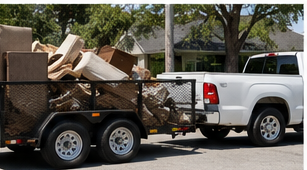
Yard Debris Cleanup After a Storm in Northeast Florida
What the city hauls for free, what it won't touch, and how to sort your pile before anyone shows up.
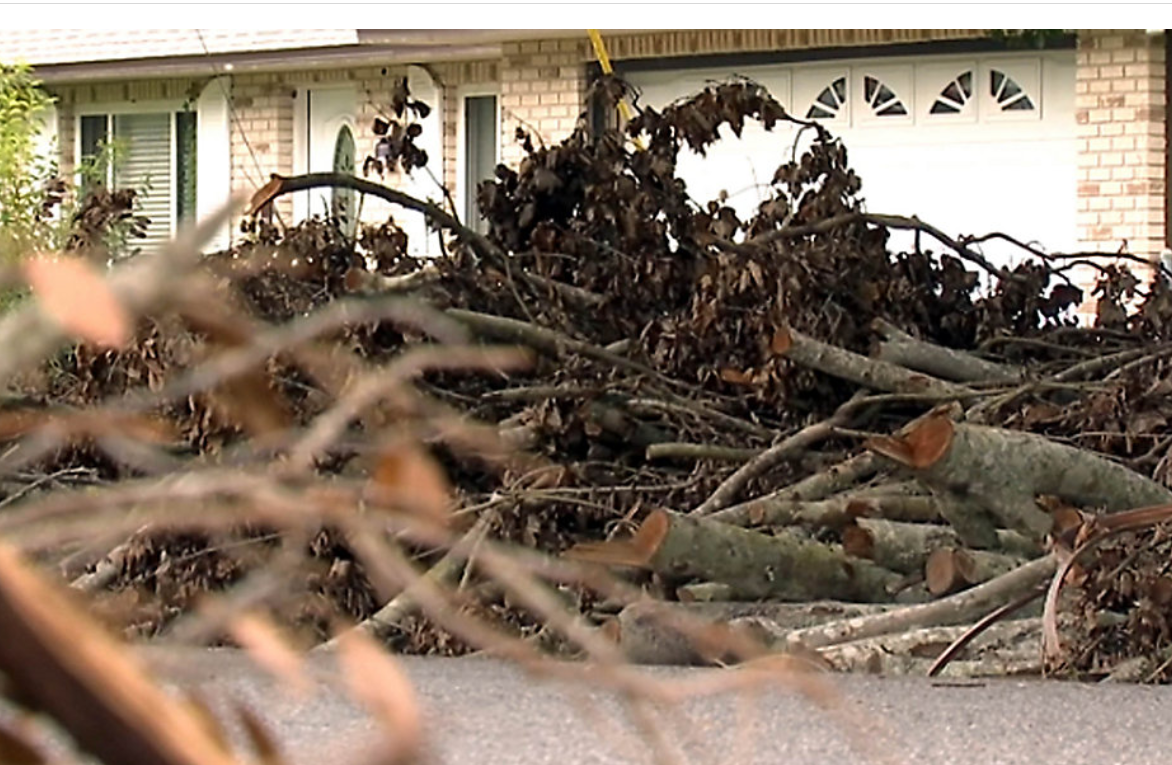
The morning after a named storm rolls through, every driveway on the street looks the same: limbs across the grass, a fence panel that used to be upright, and a phone that won't stop buzzing with contractors who showed up overnight from three states away. Before you touch any of it, walk the yard with your phone and take photos. Wide shots, then close-ups of anything damaged. Insurance adjusters get backed up for weeks after a storm, and your photos are what settle a claim once memory gets fuzzy.
Once that's done, the real work is sorting, and sorting well is what saves you money. Branches and palm fronds go in one pile. Fence panels, shingles, and anything that used to be part of the structure go in another. Appliances that got soaked, like a garage freezer, belong in a third. Everything else, the water-damaged boxes and furniture the storm exposed, is its own category. Keep every pile at least five feet from mailboxes and fire hydrants, because most cities in Duval and St. Johns County will drive right past a pile that blocks either one.
Here's the part people get wrong most often: the city will take your vegetative debris for free after a declared emergency, but it won't touch construction debris, and it usually won't touch storm-damaged furniture unless there's a special pass announced for it. Cutting your fence panels down to curbside size doesn't help if the truck isn't authorized to pick them up in the first place. Check your city's storm page before you pile anything you're not sure about.
That's where a hauler earns its keep. Call us for the piles the city won't take, ideally in the first week, since demand climbs fast after a storm and out-of-town crews start booking up regional trucks. Ask for a price that includes disposal, ask if the crew handles refrigerant certification, and get it in writing. We'll also send you dated photos of the load at the dump, which some insurance policies will reimburse as part of a claim.
One more thing, because it comes up every storm season: don't sign anything with a crew that shows up unannounced with a clipboard. A twenty-five percent deposit against a written estimate is normal. Full payment up front is not. Any legitimate hauler will hand you a Florida business tax receipt without being asked twice.
Once the curbside pickups finish, walk the yard one more time. Nails end up in mulch, glass ends up in flower beds, and a magnetic sweeper for an afternoon beats a month of flat tires.
A few things people ask
Will the city really pick up my storm debris for free?
Vegetative debris, yes, usually for weeks after a declared event. Fence panels, shingles, and construction debris, no.
How fast can you clear what the city won't take?
Most of the time, next-day. Storm weeks get busy, so the sooner you call, the better your spot in line.
What if I'm not sure which pile something belongs in?
Send us a photo. We'll tell you straight whether it's a curbside item or a hauler item.
Ready to clear the piles the city won't touch? Text a photo to 904-907-6061, or see our yard cleanup and debris service. We cover St. Johns County and the rest of the First Coast service area.
Recent Posts